Trying to choose between a newer neighborhood and an established one in Rocklin? That decision can shape everything from your monthly costs to your weekend routine. If you are weighing curb appeal, amenities, HOA rules, lot size, and long-term upkeep, this guide will help you compare the tradeoffs with more confidence. Let’s dive in.
How Rocklin splits between newer and established areas
Rocklin has a mix of older core neighborhoods and later master-planned communities. According to the City of Rocklin, Sunset Whitney developed in the late 1950s and early 1960s, Stanford Ranch followed as a large 1980s master-planned community, and Whitney Oaks and Whitney Ranch came later as additional planned expansions.
Because Rocklin is nearing the end of its growth phase, your choices today often come down to how a neighborhood was built and managed. In practical terms, the biggest differences are usually lot layout, design consistency, HOA involvement, shared amenities, and how much maintenance is likely to fall on you as the homeowner.
Why neighborhood boundaries matter
Before you compare homes, make sure you are comparing the right areas. The City of Rocklin recommends using the city zoning map and development activity report to confirm whether a property is in Stanford Ranch, Sunset West, Whitney Oaks, or Northwest Rocklin and Whitney Ranch.
If you want a more property-specific check, Placer County’s parcel map search can help confirm lot-by-lot details. That step matters because two homes with similar square footage can feel very different depending on the subdivision, HOA structure, and surrounding amenities.
What newer Rocklin neighborhoods offer
In Rocklin, Whitney Ranch is the clearest example of a newer master-planned area. City planning materials show that Whitney Ranch projects follow their own design guidelines, and new residential landscape plans must meet California’s Model Water Efficient Landscape Ordinance.
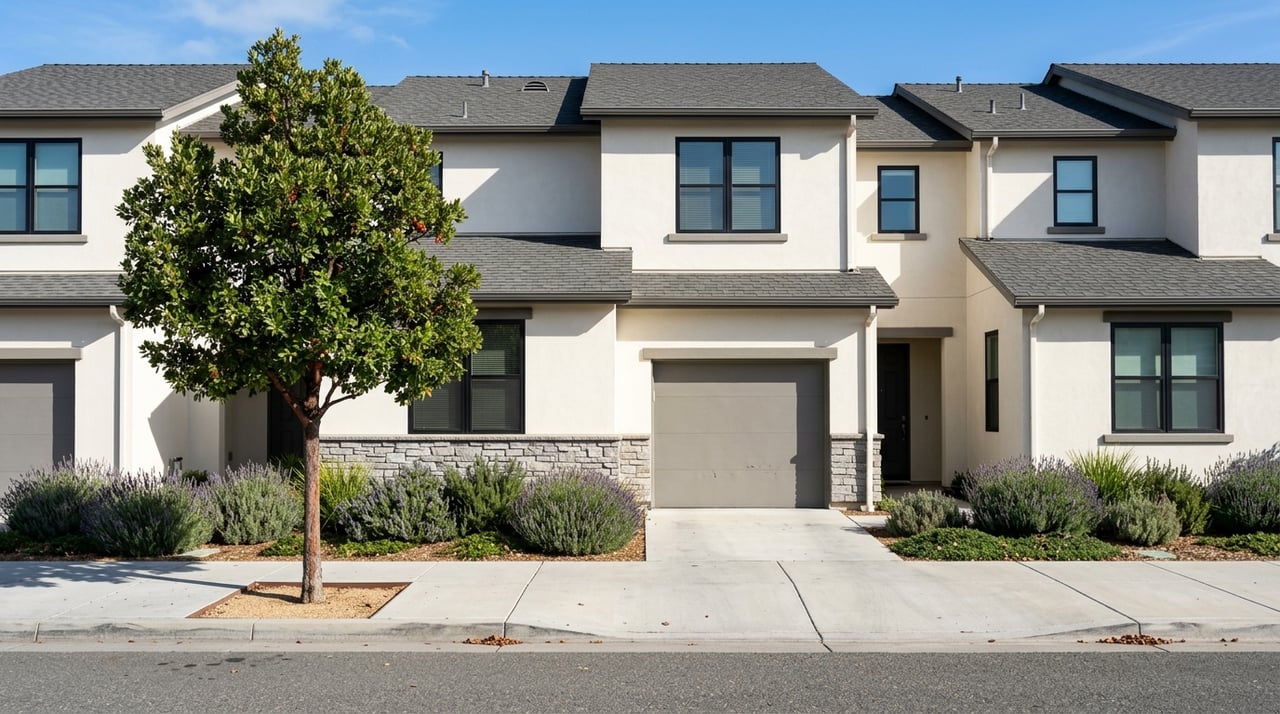
That usually translates into a more uniform look from street to street. You may notice more consistency in home styles, landscaping, sidewalks, and common areas than you would in older parts of the city.
Expect a planned, phased feel
Newer inventory in Rocklin often feels intentionally built in phases rather than assembled over many decades. City project materials describe Whitney Ranch Phase III as an infill phase, and recent project notices have included Terracina at Whitney Ranch and Wildcat West subdivision items.
For you as a buyer, that can mean a neighborhood that feels cohesive from day one. Streetscapes, lot patterns, and community features often reflect a single long-term vision rather than many rounds of independent development.
Amenities can be a major draw
One of the biggest reasons buyers choose newer neighborhoods is the amenity package. In the Whitney Ranch area, Whitney Park includes lighted sports fields, playgrounds, restrooms, a water play area, pathways, Wi-Fi, and a bridge connection to Whitney High School.
The city also identifies Whitney Ranch as a park-and-trail-focused area. Quarry Trail Elementary opened in the 2022-2023 school year as Rocklin Unified’s 12th elementary school and offers a dual-language program.
Newer does not always mean faster sales
A newer neighborhood can offer more amenities and a newer-home feel, but that does not always mean homes move faster. In March 2026, Whitney Ranch had a median sale price of about $765,000 and a median 60 days on market, compared with Rocklin overall at a median sale price of $705,000 and about 16 days on market.
That is a useful reminder that buyer demand can vary by neighborhood, even in a competitive citywide market. If you are shopping in a newer area, look at the local pace of sales, not just the city average.
What established Rocklin neighborhoods offer
Established neighborhoods in Rocklin often bring more variety and a stronger sense of historical layering. The city says Sunset Whitney grew from the earlier subdivision of Spring Valley Ranch, while central Rocklin includes the older civic and park core around places like Johnson-Springview Park and Quarry Park.
For buyers, that often shows up as more architectural variety, more mature landscaping, and less of the standardized look you may see in newer master-planned tracts. If you want a neighborhood that feels less uniform, established areas may deserve a closer look.
Mature parks and open space matter
Established neighborhoods are not short on amenities. Johnson-Springview Park in central Rocklin includes more than 90 acres of open space, along with baseball and softball fields, tennis courts, an 18-hole disc golf course, a skate park, a dog park, and a splash pad.
Sunset Whitney Recreation Area adds more than 180 acres of open space and about 5 miles of trails. For many buyers, access to these public amenities can be just as important as a newer community’s private features.
Established can mean wider price range
One advantage of established neighborhoods is variety in pricing. In March 2026, Sunset Whitney had a median sale price of about $583,000, Central Rocklin was about $648,250, and Whitney Oaks was about $702,250.
That range shows why the word established can be misleading if you treat it like one category. In Rocklin, established neighborhoods can include older entry-level pockets, central areas near parks and civic amenities, and higher-priced communities with stronger management and amenity packages.
Whitney Oaks is the middle ground
If you want an example that sits between newer and older Rocklin, Whitney Oaks is a good one. It is established, but it is also a master-planned community with significant HOA structure and maintained common areas.
The Whitney Oaks Community Association describes the neighborhood as home to about 5,000 residents in gated villages with custom, semi-custom, and single-family homes. The association also maintains more than 200 acres of common area and miles of trails, and its community materials reference pools, fitness facilities, CC&Rs, architectural guidelines, and open-space resources.
That matters because many buyers assume established neighborhoods automatically come with fewer rules. In Rocklin, that is not always true.
HOA rules and maintenance tradeoffs
For many buyers, the real decision is not just newer versus established. It is predictability versus flexibility.
Newer subdivisions often come with more oversight. Rocklin’s landscape rules require new construction to comply with water-efficient standards, and Whitney Ranch projects follow their own design manual. City materials for Whitney Ranch Phase III also show a mix of city-dedicated landscape lots and HOA-maintained landscape lots.
That setup can support consistent curb appeal and a more structured maintenance plan. It can also mean more approval requirements if you want to change landscaping or exterior features.
Established homes often offer more individuality and, in some cases, more usable lot area. But because the homes are older, buyers should pay closer attention to major systems and site conditions.
What to review before you make an offer
No matter which type of neighborhood you prefer, compare the full ownership picture, not just the asking price. A smart Rocklin buyer checklist includes:
- Total monthly payment
- HOA dues
- CC&Rs and exterior-use rules
- HOA reserve strength
- Lot drainage
- Tree maintenance responsibilities
- Age of roof, windows, HVAC, and irrigation systems
- Condition of hardscape and fencing
This checklist is especially important in Rocklin because neighborhood management styles vary so much. Two homes can look similar online but create very different ownership experiences once you factor in dues, rules, and upkeep.
Which type of Rocklin neighborhood fits you?
If you want a more uniform appearance, newer construction, and strong park-and-trail integration, a newer neighborhood may be the better fit. Whitney Ranch stands out for that style of living, with phased development, design controls, and a strong amenity story.
If you prefer more character, mature surroundings, and a broader range of home styles and price points, established neighborhoods may feel more natural. Sunset Whitney, Central Rocklin, and parts of Whitney Oaks each offer a different version of that experience.
The right choice depends on how you balance maintenance, HOA structure, amenities, and price. A neighborhood is not just where you buy a house. It is the setting for your day-to-day life.
If you want help comparing Rocklin neighborhoods, narrowing your search, or evaluating the total cost of ownership, Danny Tejeda can help you make a smart, local decision.
FAQs
How do I verify a Rocklin neighborhood boundary before buying?
- Use the City of Rocklin zoning map and development activity report to check whether a property is in areas like Stanford Ranch, Sunset West, Whitney Oaks, or Northwest Rocklin and Whitney Ranch, and use Placer County’s parcel map search for lot-level confirmation.
Are newer Rocklin neighborhoods always more expensive?
- Not always, but newer areas can carry a higher price point. In March 2026, Whitney Ranch had a median sale price of about $765,000, compared with about $705,000 citywide.
Do established Rocklin neighborhoods have fewer HOA rules?
- Not necessarily. Whitney Oaks is an established community, but it still has strong HOA oversight, architectural guidelines, common-area maintenance, and amenity operations.
What should buyers compare besides home price in Rocklin neighborhoods?
- Compare HOA dues, CC&Rs, reserve strength, lot drainage, tree maintenance, and the age and condition of major systems like the roof, HVAC, windows, and irrigation.
Which established Rocklin neighborhoods offer lower median prices?
- In March 2026, Sunset Whitney had a median sale price of about $583,000 and Central Rocklin was about $648,250, while Whitney Oaks was higher at about $702,250.
What is the main lifestyle difference between newer and established Rocklin neighborhoods?
- Newer areas often feel more uniform and planned, with design controls and newer amenities, while established areas tend to offer more architectural variety, mature landscaping, and a wider mix of price points.