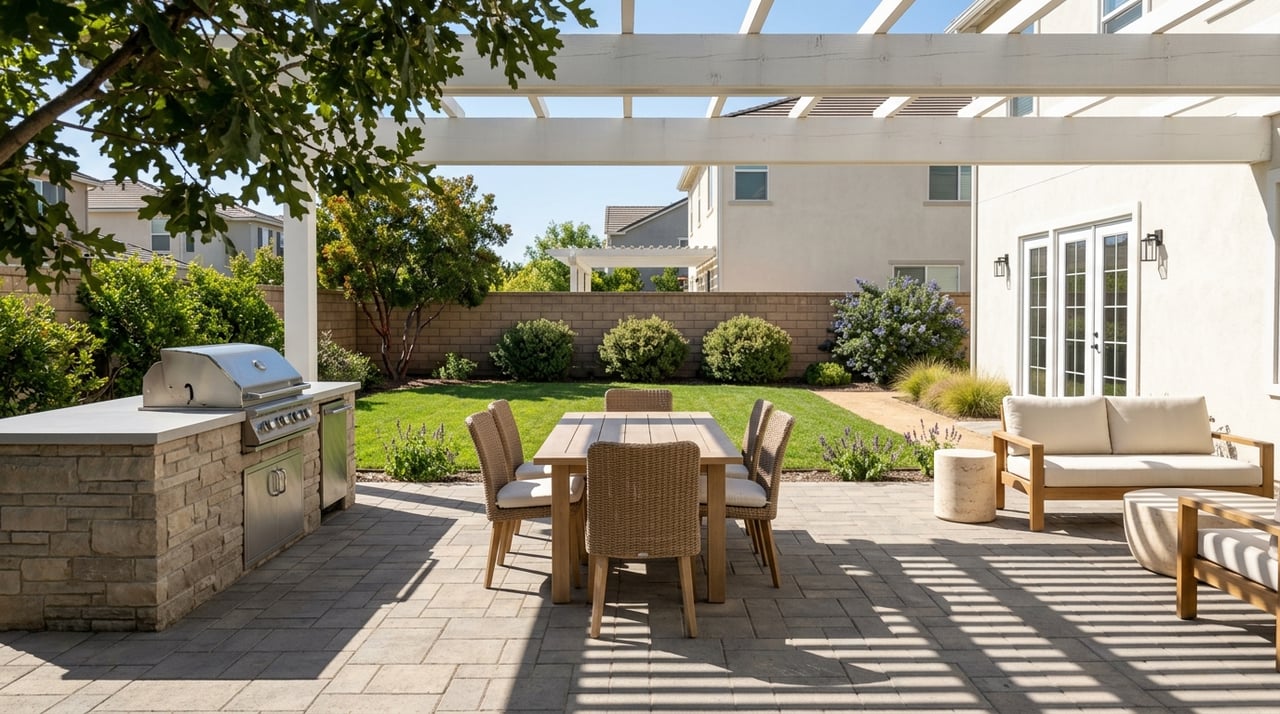
If your ideal weekend includes a morning trail walk, an afternoon by the water, and an easy dinner nearby, Folsom makes that lifestyle feel built in. For many buyers, outdoor access is not just a nice extra. It is part of how you choose where to live and how you want your week to feel. In Folsom, the mix of parks, trails, lake access, and year-round recreation gives you real options across different parts of the city. Let’s dive in.
Why outdoor living stands out in Folsom
Folsom’s outdoor appeal is woven into the city itself, not limited to one park or one destination. The city says it has 49 parks and more than 50 miles of paved recreational trails, which gives you a wide range of ways to get outside close to home.
That structure matters if you want daily convenience, not just occasional recreation. In newer south-of-50 neighborhoods, city planning documents show communities were designed around protected open space, parks, and trail connections. That means outdoor access is part of the layout, not an afterthought.
Folsom trails you can actually use
One of the biggest advantages of living in Folsom is how connected the trail system is. According to the city trail map, Folsom has more than 50 miles of developed bike and pedestrian trails that support everything from short evening walks to longer weekend rides.
Some of the best-known routes include the 15-mile Humbug-Willow Creek Trail, the Folsom Rail Trail, the Folsom Lake Trail, and the Oak Parkway Trail. The Johnny Cash Trail adds another 2.5 miles and links into the larger citywide network, giving you a scenic and practical connection point.
If you prefer a shorter outing, Hinkle Creek offers a one-mile interpretive walk. In the Folsom Plan Area, the city also plans for more than 30 miles of additional trails that connect to parks, shopping, transit, schools, and woodlands.
What that means for daily life
For you as a homeowner, this kind of trail network can shape your routine in simple ways. It can make it easier to fit in a walk before work, ride bikes on the weekend, or reach parks and open space without loading up the car.
It also gives different neighborhoods a different feel. Some areas offer quicker access to long-established trail corridors, while newer neighborhoods are growing into a more master-planned trail and park system.
Lake Natoma and Folsom Lake access
Folsom’s outdoor lifestyle is not just about trails. It is also about having two major water-focused recreation areas close by through Folsom Lake State Recreation Area, which California State Parks says is about 25 miles east of Sacramento and accessible by Highway 50 or I-80 with multiple entrances and access points.
The recreation area supports hiking, biking, running, camping, picnicking, horseback riding, waterskiing, boating, fishing, swimming, beach use, and windsurfing. If you like variety, that range is a big part of what makes Folsom weekends feel flexible.
Lake Natoma for calmer water days
Lake Natoma has a different personality than a typical busy powerboat lake. California State Parks notes it is managed primarily for non-motorized and slow-speed aquatic recreation, with a 5-mph speed limit.
That helps make it a strong fit for paddling, rowing, and more relaxed time on the water. Black Miners Bar also offers a renovated day-use area with easy access to Lake Natoma and reservable group picnic sites, which is helpful if you like hosting outdoor get-togethers.
Folsom Lake for bigger recreation days
If you want a broader menu of water and land activities, Folsom Lake gives you that scale. State Parks lists boating, waterskiing, fishing, swimming, hiking, biking, and camping among the available uses.
Beals Point Campground is open year-round, which adds another layer of weekend flexibility. Whether you want a quick day trip or a full outdoor weekend, the lake system supports both.
Best seasons for weekend fun
Folsom is a four-season outdoor city, but each season feels a little different. California State Parks notes that summers are hot and dry, winters can be cold with central valley fog, and spring and fall usually bring the most comfortable conditions for trail and lake activities.
For many residents, spring and fall are the sweet spots for longer walks, bike rides, and time near the water. Summer still brings plenty of activity, especially early in the day or later in the evening when temperatures are more manageable.
Parks and outdoor amenities beyond the lakes
The outdoor story in Folsom goes well beyond the shoreline. The city highlights public amenities that include an aquatic center, zoo sanctuary, sports complex, art center and gallery, along with a lineup of annual events that bring people outdoors throughout the year.
These include Summer of Music concerts, Holiday Lights at the Folsom Zoo Sanctuary, Community Service Day, Love My Mom 5K, and the Folsom Renaissance Faire. The city also describes the revitalized Historic District as a destination for shopping, dining, and nightlife, which can round out a day spent outside.
Newer outdoor additions in south Folsom
Outdoor growth is still happening, especially in the newer southern part of the city. Prospector Park in Folsom Ranch opened in December 2024 and added a children’s play area, multi-use field, dog parks, tennis, volleyball, basketball, and group picnic space.
The city’s current project information also points to ongoing outdoor buildout in south Folsom, including Mangini Ranch Trails and the planned Folsom-Placerville Rail Trail connection. If you are looking at newer housing areas, that continued investment is worth paying attention to.
How outdoor living changes by area
One of the most useful things to understand about Folsom is that outdoor living looks a little different depending on where you are. The city’s layout creates distinct patterns of access, especially between central or historic Folsom and the newer neighborhoods south of Highway 50.
Central and historic Folsom
The Historic District and central river corridor are among the city’s more established areas. City historic resources identify residential subareas including Figueroa, Central, Persifer-Dean, and The Preserve, and note that new custom homes and large additions go through design review.
This part of Folsom may appeal to buyers who want historic character and close proximity to trail or lake access. Public map cues highlighted in the research include Black Miners Bar for Lake Natoma access and the Johnny Cash Trail for a scenic connection into the larger trail system.
The housing context is also different here. City guidance that allows ADUs on properties already occupied by a single-family home or an apartment building suggests a more established and more regulated housing stock than the city’s newer master-planned areas.
South of Highway 50
South of Highway 50, the Folsom Plan Area represents the city’s newest community growth. The city describes this 3,520-acre area as bounded by Highway 50, White Rock Road, Prairie City Road, and the El Dorado County line, with neighborhoods that include Broadstone Estates, Enclave at Folsom Ranch, Folsom Heights, Mangini Ranch, Russell Ranch, and White Rock Springs Ranch.
The city says first homes were occupied there in 2019, with new schools, a commercial center, Station 34, and Prospector Park following. More than 30% of the plan area, or over 1,000 acres, is permanently protected open space, including woodlands, streams, wetlands, ponds, hillsides, and scenic vistas.
The city also says neighborhood parks in the plan area are intended to be close to schools, within a half-mile of homes, and linked by walking and bicycle paths. If you are drawn to newer neighborhoods, that master-planned park-and-trail setup is a major part of the lifestyle.
What this means if you are buying in Folsom
If outdoor living is high on your priority list, it helps to match your home search to the kind of access you will really use. In Folsom, that often comes down to whether you want immediate proximity to established lake and trail areas, or a newer neighborhood with growing park and trail infrastructure.
You may want to focus on:
- Central locations if you want easier access to Lake Natoma, the Johnny Cash Trail, and older established neighborhoods
- South-of-50 neighborhoods if you prefer newer homes, planned parks, and expanding trail connections
- Areas near named trail corridors if daily walking or biking is part of your routine
- Homes near parks and open space if weekend recreation for kids, pets, or group gatherings matters most
A local home search is often more productive when you look beyond square footage and finishes. In a city like Folsom, your nearby trailhead, park access, or lake route can shape how the home feels long after move-in day.
What this means if you are selling in Folsom
If you are selling, Folsom’s outdoor lifestyle can be an important part of how your home is positioned. Buyers are often looking for more than the home itself. They want to understand how the location supports day-to-day life.
That means details like trail connectivity, park proximity, newer outdoor amenities, and access to Lake Natoma or Folsom Lake can all help tell a stronger story. The key is presenting those benefits clearly and accurately, while matching them to the type of buyer most likely to value them.
A thoughtful local marketing strategy can help connect your property to the lifestyle buyers are searching for, especially in a market where neighborhood context matters as much as the floor plan.
If you are thinking about buying or selling in Folsom and want help narrowing down the right area for your lifestyle goals, Danny Tejeda can help you make sense of the options and plan your next move with confidence.
FAQs
What outdoor amenities does Folsom offer?
- Folsom offers 49 parks, more than 50 miles of paved recreational trails, lake access through Folsom Lake State Recreation Area, and amenities that include an aquatic center, zoo sanctuary, sports complex, art center, and gallery.
What are the main trails in Folsom?
- Key named trails include the 15-mile Humbug-Willow Creek Trail, Folsom Rail Trail, Folsom Lake Trail, Oak Parkway Trail, the 2.5-mile Johnny Cash Trail, and the one-mile Hinkle Creek interpretive walk.
What is the difference between Lake Natoma and Folsom Lake?
- Lake Natoma is managed primarily for non-motorized and slow-speed recreation with a 5-mph limit, while Folsom Lake supports a wider range of larger-scale activities such as boating, waterskiing, camping, hiking, biking, and fishing.
What part of Folsom is best for trail and lake access?
- Based on city and state park mapping in the research, central and historic Folsom are strong options if you want closer access to Lake Natoma, Black Miners Bar, and the Johnny Cash Trail, while south-of-50 areas are more tied to newer parks and expanding trail systems.
What is the Folsom Plan Area?
- The Folsom Plan Area is the city’s newer 3,520-acre growth area south of Highway 50, with neighborhoods including Mangini Ranch, Russell Ranch, and Folsom Heights, plus protected open space, parks, and planned trail connections.
When is the best time to enjoy outdoor activities in Folsom?
- California State Parks says spring and fall usually offer the most comfortable conditions for trail and lake activities, while summers are hot and dry and winters can be cold with central valley fog.