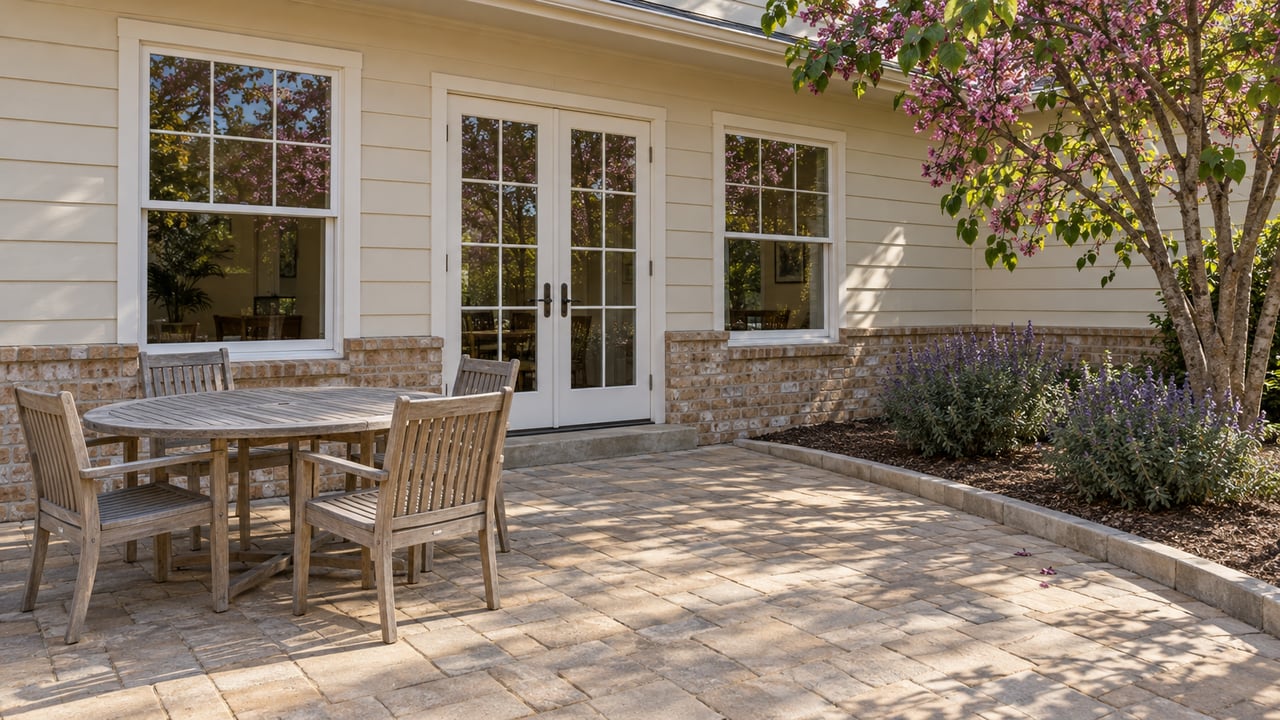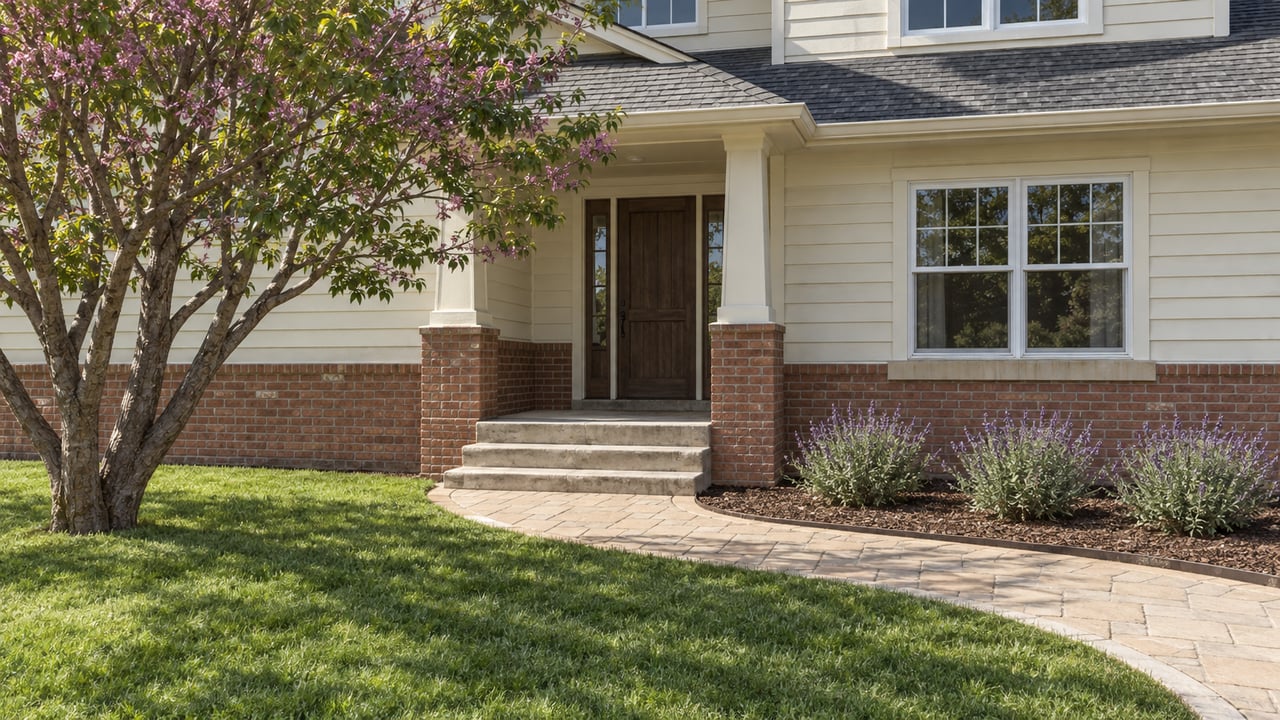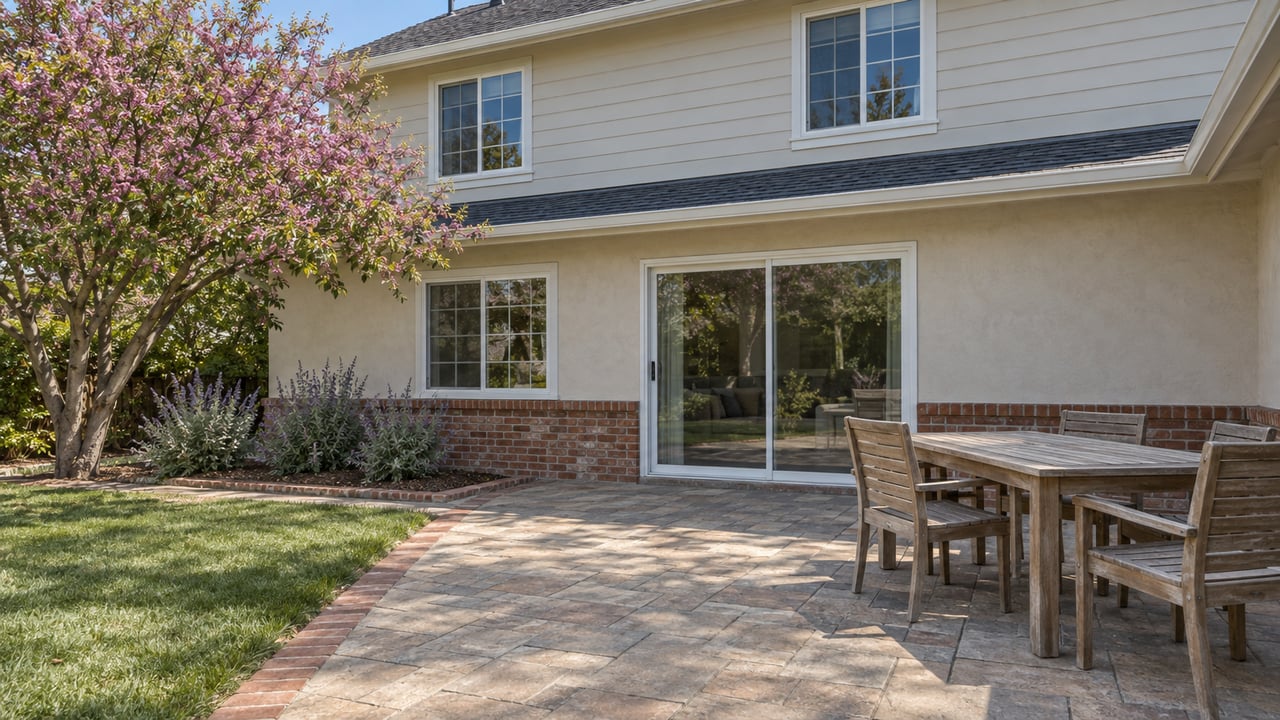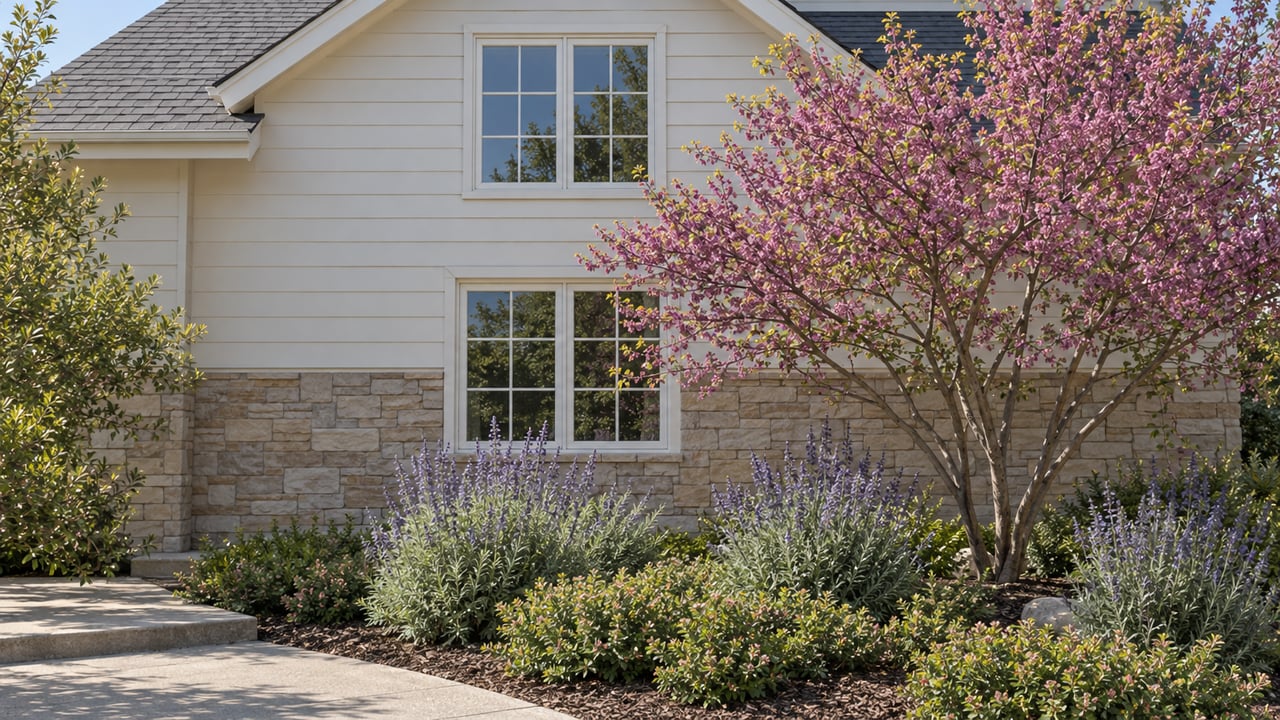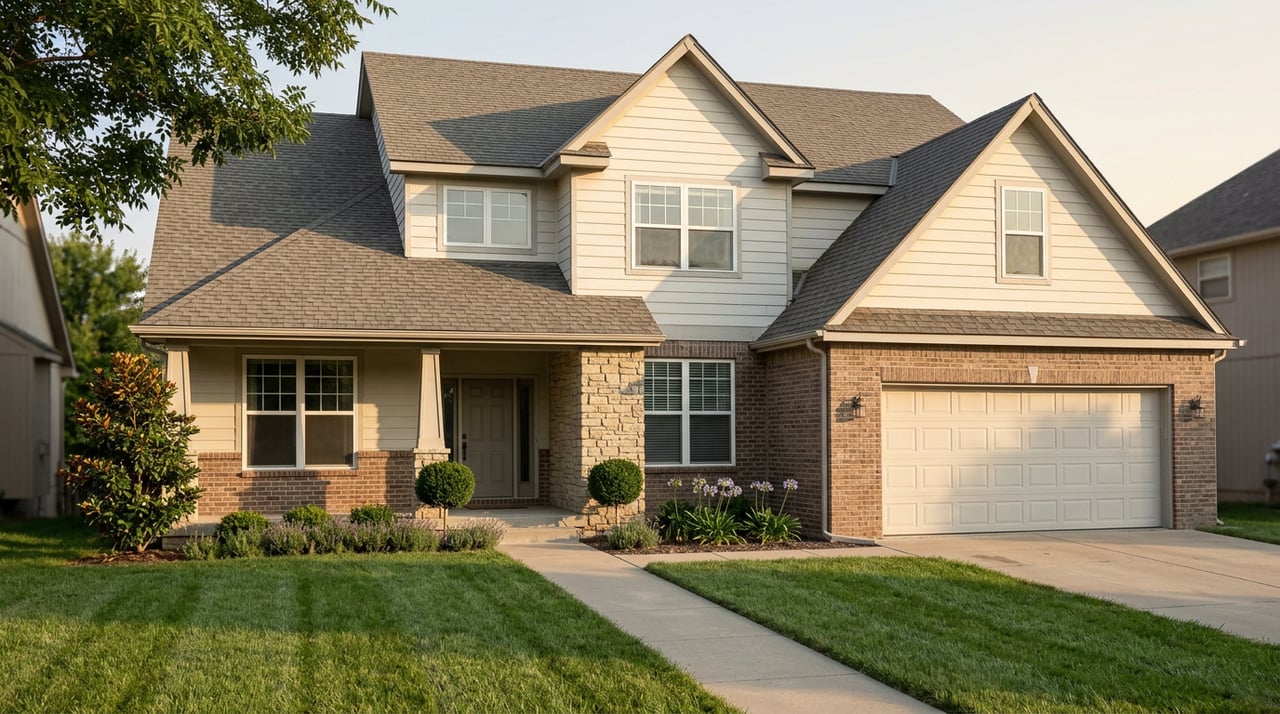
Picture two Rocklin listings sitting on your screen at the same $650,000 price point. One is a three-bedroom bungalow a few blocks from Quarry Park, built when Rocklin's economy still ran on granite. The other is a newer four-bedroom in the Stanford Ranch corridor, complete with the kind of open-concept kitchen the newer master-planned tracts are known for. Same budget, same city. The math behind each one is not the same at all, and the gap tells you something the citywide median price never will.
Rocklin's overall market looks calm from a distance. Sale prices over the three months ending in June 2026 landed at a median of $691,000 citywide, down a modest 1.3 percent from the same period a year earlier, with price per square foot at $322, off 2.7 percent year over year. That is the kind of number that makes a market sound like it is doing one thing. It is actually doing two things, and they are moving in opposite directions depending on which side of the city you are shopping.
The Old Neighborhood Is Getting More Expensive Per Square Foot. The New One Isn't.
In Old Town Rocklin, the historic core built up around the granite quarrying era, the three-month median sale price through June 2026 came in at $607,000, down 3.1 percent year over year. On its face that reads as a softening pocket. But price per square foot in Old Town over that same window was $318, up 13.6 percent from a year earlier. Homes there are also taking longer to sell, averaging 23 days on market compared to just 8 days the year before.
Now look at the 95765 zip code, home to the Stanford Ranch and Whitney Ranch corridor. The three-month median sale price through June 2026 was $727,000, also down 3.0 percent year over year, with price per square foot at $319, down 2.3 percent. Days on market in this corridor actually shortened, from 21 days a year earlier to 18 days.
Put those two neighborhoods side by side and the story flips. The cheaper neighborhood is commanding more money per square foot than it did a year ago, even as it takes longer to sell. The pricier neighborhood is moving faster, but buyers are paying slightly less for each square foot than they were twelve months ago. If you only read the headline median for each area, you would assume Old Town is losing ground and the master-planned corridor is gaining it. The square footage math says the opposite is happening underneath.
Why The Same City Produces Two Different Markets
Some of this comes down to what is actually for sale in each area. Old Town Rocklin's housing stock predates the master-planned boom entirely. The city's own history traces the neighborhood back to the era of the California Granite Company, whose founder Adolf Pernu built what is now Rocklin's Historic City Hall in 1912 as a company store for his employees. Homes in this part of town tend to sit on smaller, older lots close to downtown amenities like Quarry Park, and there simply are not many of them. When buyers want that walkable, established feel and inventory is tight, price per square foot is where the competition shows up, even if the total price tag stays lower because the homes themselves are smaller.
The 95765 corridor is a different animal by design. Stanford Ranch alone was a 3,000-acre master-planned community, with Whitney Oaks adding another 1,000 acres and Whitney Ranch another 1,300, according to the city's own history of its development. These are newer, larger homes built for efficiency and volume, and that supply changes the pricing dynamics. More inventory of similar new-build product means less scarcity pressure on a per-square-foot basis, even while the total price stays higher because the homes themselves are bigger.
The Line Item That Doesn't Show Up In The Median
There is a second piece to this that a median price will never surface on its own, and it is the kind of thing that catches buyers off guard during escrow rather than during their initial search. Parts of Stanford Ranch were built with Community Facilities District financing, a mechanism that funds infrastructure through an ongoing special tax attached to the property rather than through the builder's upfront cost. Stanford Ranch Community Facilities District No. 3, as described on the city's own site, covers roadway improvements, storm drainage, sanitary sewer facilities, water and gas lines, traffic control, landscaping, fire hydrants, electrical distribution, and street lights. The tax amount depends on the specific location and the scope of development in that area, which means two homes in the same corridor can carry different special tax obligations.
Old Town Rocklin's housing stock was built long before these financing districts existed. It is simply a cost that lives outside the sale price, and it is exactly the kind of thing a buyer comparing two similarly priced homes needs to pull up before falling in love with either one. A newer home's higher total price may already be doing some of the work of funding the infrastructure around it. A buyer who only compares list prices, or even price per square foot, is missing part of the real monthly cost of ownership.
What This Means If You're Comparing The Two
If you are budgeting around a specific monthly payment rather than a specific sale price, the neighborhood you choose changes what that payment is actually buying. In Old Town, you are paying more for less square footage, in a slower-moving but tightening market. In the 95765 corridor, you get more square footage and a faster-moving market, but the total price runs higher, and public data suggests that Rocklin's overall premium over neighboring Roseville is tied specifically to these master-planned developments rather than to the city as a whole.
Neither of those is a better answer in the abstract. They are answers to different questions. If proximity to Quarry Park, Sierra College, and the historic Rocklin core matters more to you than a larger new build, the math in Old Town is currently rewarding that patience with real per-square-foot appreciation, even if it takes a few extra weeks to find a buyer or seller willing to transact.
A Few Questions Worth Asking Before You Compare Listings
Is Old Town Rocklin's slower selling pace a warning sign? Slower days on market alongside rising price per square foot usually points to a tight, low-inventory pocket rather than weak demand. Sellers and buyers in this kind of market should expect more negotiation over price than over whether a home sells at all.
If you are trying to figure out what a specific budget actually buys in Rocklin's older core versus its newer corridor, or how a Community Facilities District tax would affect a home you're considering, Danny Tejeda can walk through the numbers on a specific address with you and help you compare the real cost of ownership, not just the list price.
This article is general information, not legal, tax or financial advice. Consult a qualified professional about your situation.